
 ★ 6.9
Kurage
Kurage is the Japanese word for jellyfish. This guide drifts through 152 films of the sea, from the deep and its submarines to sharks, whales and mermaids, pirates, castaways and surfers, shipwrecks, islands and lighthouses, with synopses, cast and where to watch.
The currents
The deepThe deep
Dive in (13)★ 6.9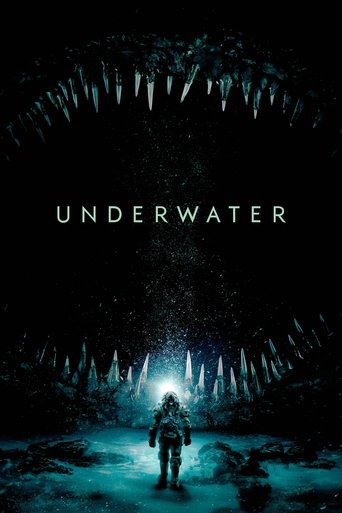 ★ 6.3
 ★ 7.4
 ★ 7.1
 ★ 6.1
 ★ 6.1
 ★ 7.1
 ★ 6.2
 ★ 6.0
 ★ 6.6
 ★ 5.5
 ★ 6.1
SubmarineSubmarines and the war at sea
Dive in (13) ★ 7.4
 ★ 7.4
 ★ 8.1
 ★ 7.2
 ★ 6.6
 ★ 6.6
 ★ 6.3
 ★ 6.6
 ★ 6.0
 ★ 6.4
 ★ 7.2
 ★ 5.9
SharkSharks
Dive in (13)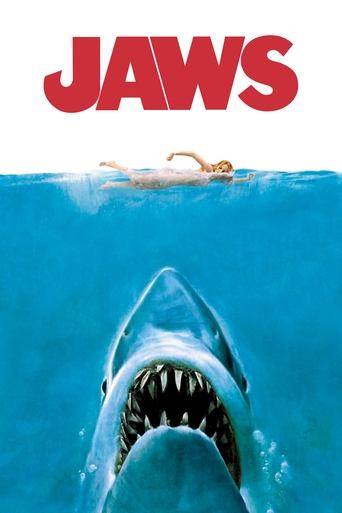 ★ 7.7
 ★ 6.3
 ★ 6.4
 ★ 6.3
 ★ 5.8
 ★ 6.0
 ★ 6.0
 ★ 3.9
 ★ 5.7
 ★ 4.5
 ★ 5.9
 ★ 4.1
Whale songWhales and dolphins
Dive in (13) ★ 6.8
 ★ 6.2
 ★ 7.2
 ★ 7.4
 ★ 6.9
 ★ 5.9
 ★ 6.7
 ★ 7.1
 ★ 6.2
 ★ 7.0
 ★ 6.1
 ★ 6.9
Sea legendMermaids and sea legends
Dive in (13)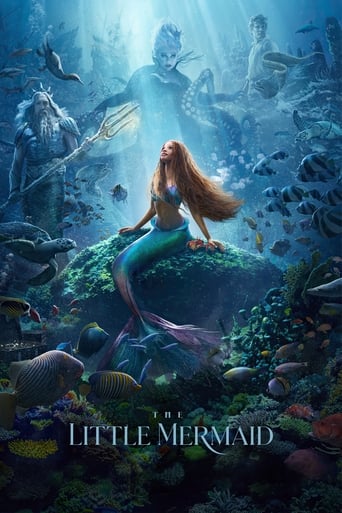 ★ 6.2
 ★ 6.5
 ★ 6.3
 ★ 7.6
 ★ 6.8
 ★ 7.0
 ★ 6.6
 ★ 6.4
 ★ 6.1
 ★ 6.1
 ★ 6.4
 ★ 6.7
Animated seaAnimated oceans
Dive in (13)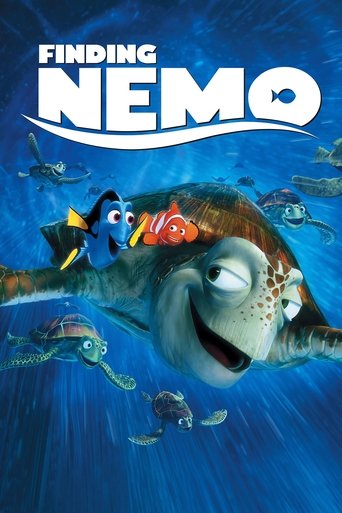 ★ 7.8
 ★ 7.6
 ★ 7.0
 ★ 7.8
 ★ 7.4
 ★ 6.0
 ★ 7.1
 ★ 7.8
 ★ 7.1
 ★ 7.0
 ★ 8.1
 ★ 6.5
PiratesPirates
Dive in (13)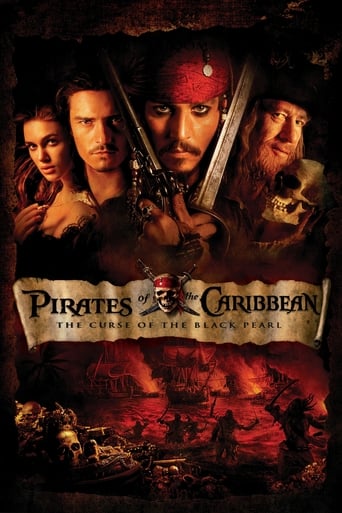 ★ 7.8
 ★ 7.4
 ★ 7.3
 ★ 6.6
 ★ 7.5
 ★ 7.5
 ★ 6.8
 ★ 5.8
 ★ 6.7
 ★ 6.3
 ★ 6.8
 ★ 7.3
CastawayCastaways and sailors
Dive in (12)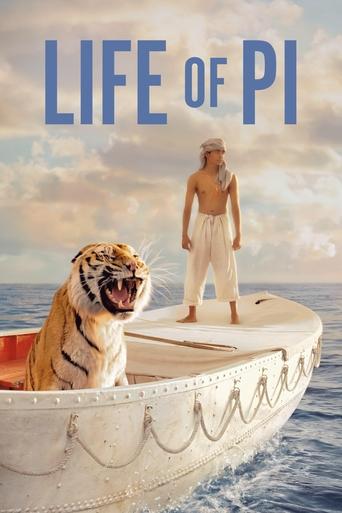 ★ 7.4
 ★ 7.7
 ★ 6.8
 ★ 6.6
 ★ 6.9
 ★ 6.6
 ★ 6.8
 ★ 6.3
 ★ 7.4
 ★ 6.8
 ★ 4.7
 ★ 6.0
SurfSurfing
Dive in (13)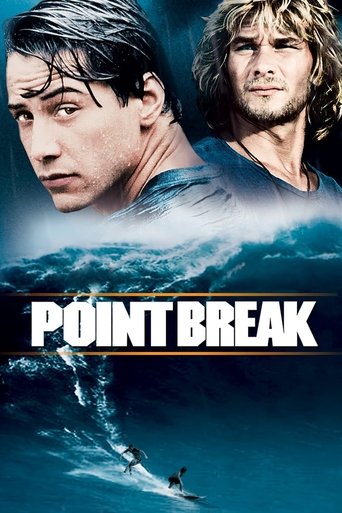 ★ 7.1
 ★ 6.0
 ★ 7.0
 ★ 6.9
 ★ 7.0
 ★ 6.0
 ★ 7.7
 ★ 5.7
 ★ 7.5
 ★ 6.9
 ★ 6.1
 ★ 5.7
IslandBeaches and islands
Dive in (12) ★ 6.1
 ★ 6.3
 ★ 6.5
 ★ 6.9
 ★ 6.1
 ★ 6.0
 ★ 5.5
 ★ 5.8
 ★ 5.9
 ★ 7.4
 ★ 7.3
 ★ 5.6
StormShipwrecks and storms
Dive in (12)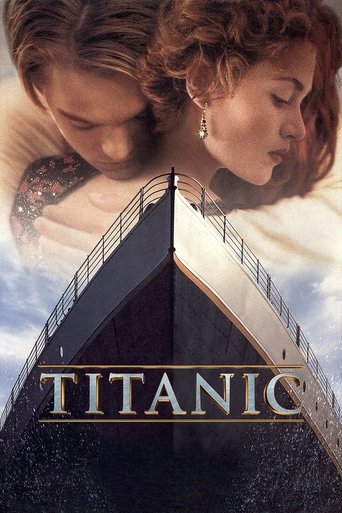 ★ 7.9
 ★ 7.4
 ★ 6.9
 ★ 6.2
 ★ 6.5
 ★ 5.9
 ★ 6.2
 ★ 7.1
 ★ 6.7
 ★ 7.2
 ★ 6.9
 ★ 7.4
LighthouseLighthouses and harbours
Dive in (12) ★ 7.5
 ★ 6.0
 ★ 6.7
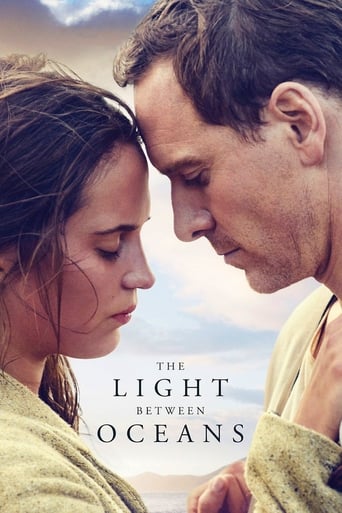 ★ 7.1
 ★ 5.8
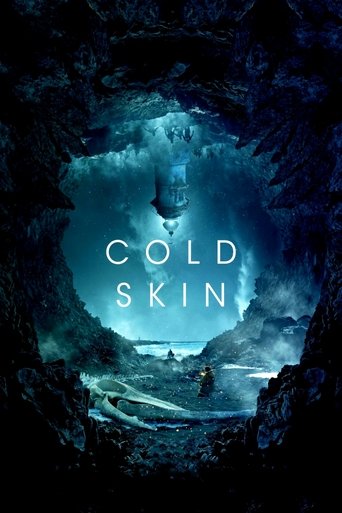 ★ 6.4
 ★ 7.1
 ★ 6.8
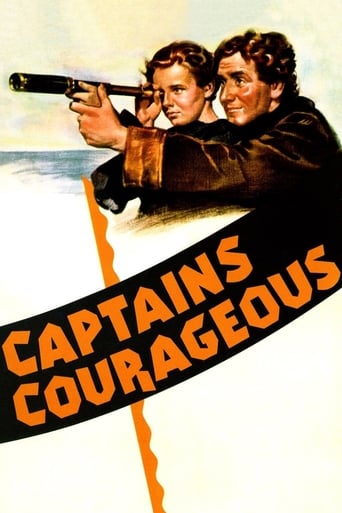 ★ 7.4
 ★ 7.8
 ★ 6.5
 ★ 6.1
The Kurage guide
Kurage: films of the sea
A jellyfish for a name
Kurage is the Japanese word for jellyfish, the drifting, glowing creature that has lived in the oceans for more than five hundred million years. The name gives this guide its subject and its look: Kurage is a guide to the films of the sea, drawn in the colours of the deep, navy and teal water lit by the soft cyan, pink and violet glow of the creatures that live there. The search for an archived film site under this name found a curtain company, a personal home page and several parked addresses, so the design is original. The guide Films of the sea sums up the idea in a few lines, and the guide Start with Kurage picks one film from each family for a first visit.
The sea is one of the oldest settings of cinema. It offers danger and freedom, monsters and treasure, isolation and adventure, and every generation of filmmakers has found something new in it: the silent comedians on their sinking ships, the pirate films of the 1930s, the disaster epics of the 1970s, the shark that made the summer blockbuster, the animated oceans of Pixar and Disney, and the survival stories of recent years. Kurage gathers 152 of these films, from Mutiny on the Bounty and Captain Blood in 1935 to Moana 2, Flow and Under Paris in 2024 and The Surfer in 2025.
How the shelves are built
The films come from TMDB, the film database behind the data of this guide, which tags each title with keywords. The guide gathered the films tagged ocean, sea, underwater, deep sea, coral reef, marine biologist, jellyfish or octopus; submarine; shark, shark attack or sea monster; scuba diving; surfing or surfer; sailing, sailboat, ocean liner, lost at sea or castaway; shipwreck or tsunami; mermaid; whale or dolphin; pirate; and lighthouse or fisherman, each with at least 120 votes. Keywords are generous, so every film was then checked by hand: a spy film with one scene on a yacht or a comedy with a day at the beach stays out, and a film that belongs to the sea at heart stays in. Each film sits on one shelf only, and each shelf keeps its thirteen most voted films. The guide How the shelves work details each rule.
The twelve shelves, which the home page calls the currents, fall into four families. Under the surface goes below the waterline with the deep sea, the submarines and the sharks. Creatures and legends gathers whales and dolphins, mermaids and sea legends, and the animated oceans. On the waves sails with the pirates, the castaways and sailors, and the surfers, and Storm and shore holds beaches and islands, shipwrecks and storms, and lighthouses and harbours. Every card carries the sea tag of its shelf, from The deep to Lighthouse, and every film has an English synopsis, its cast and director, and a Watch now button that opens it on JustWatch for the country you choose.
Under the surface
The first family, Under the surface, goes below the waterline, where light fades, pressure builds and the smallest mistake can be fatal. Its three shelves hold 39 films and about 98,000 votes, and the guide Under the surface sums them up.
The deep
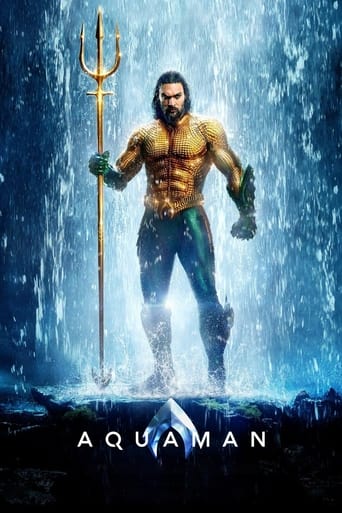
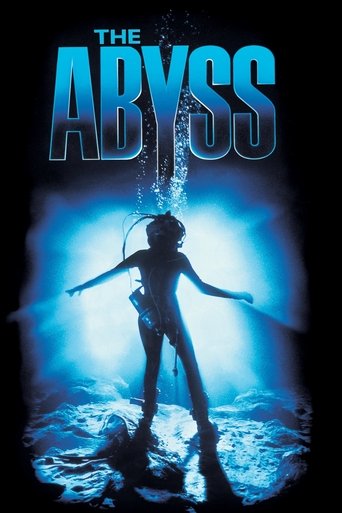
The shelf The deep gathers thirteen films from 1954 to 2020 about the dark water far below the surface. The oldest is 20,000 Leagues Under the Sea, of 1954, by Richard Fleischer, the Disney adaptation of Jules Verne with Kirk Douglas and James Mason as Captain Nemo aboard the Nautilus. The best rated is The Abyss, of 1989, by James Cameron, with a 7.4: the crew of an underwater drilling rig, led by Ed Harris, is sent to rescue a sunken nuclear submarine and meets something unknown in a deep ocean trench. The most voted is Aquaman, of 2018, by James Wan, with Jason Momoa as the heir to the throne of Atlantis.
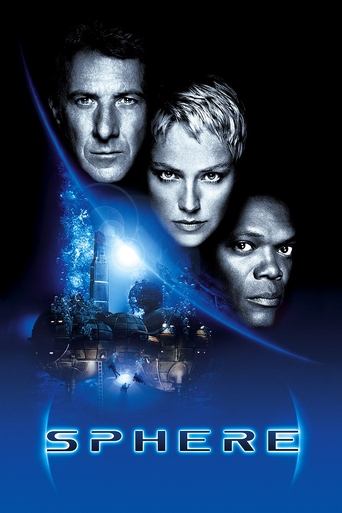
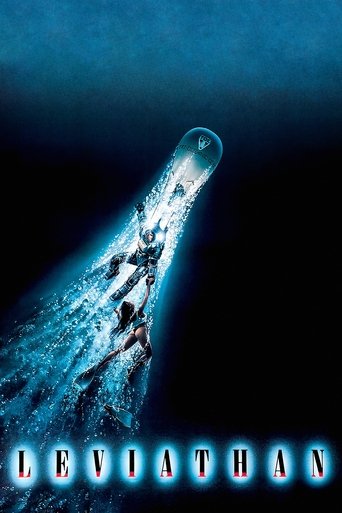
The year 1989 produced three underwater films at once: The Abyss, Leviathan, with Peter Weller, and DeepStar Six, both about the crews of sea-floor stations attacked by something from the depths. Sphere, of 1998, by Barry Levinson, with Dustin Hoffman and Sharon Stone, sends scientists to a spaceship found on the bottom of the Pacific, and Underwater, of 2020, with Kristen Stewart, follows the survivors of a collapsed research station walking across the sea floor. Deep Rising, of 1998, sets a sea monster loose on a luxury cruise ship.
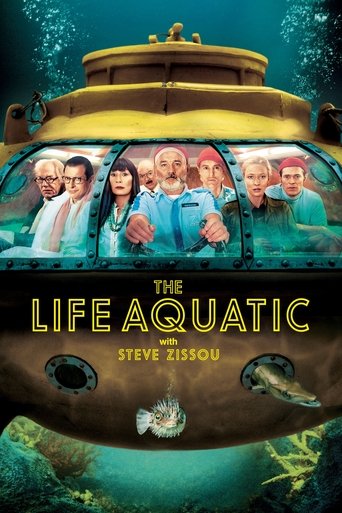
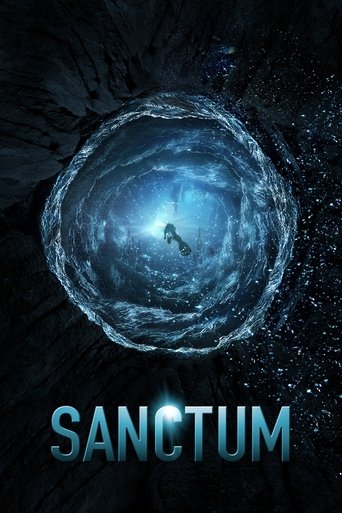
The shelf has its gentler side too. The Life Aquatic with Steve Zissou, of 2004, by Wes Anderson, with Bill Murray as an oceanographer on a quest to find the jaguar shark that ate his partner, is a melancholy comedy with stop-motion sea creatures. The Deep, of 1977, from the novel by Peter Benchley, the author of Jaws, sends Jacqueline Bisset and Nick Nolte diving for a treasure off Bermuda. Sanctum, of 2011, produced by James Cameron, follows cave divers trapped in an underwater cave system; Breaking Surface, of 2020, a Swedish thriller, follows two sisters on a winter dive in Norway, and Pressure, of 2015, traps four divers in a bell on the sea floor.
Submarines and the war at sea
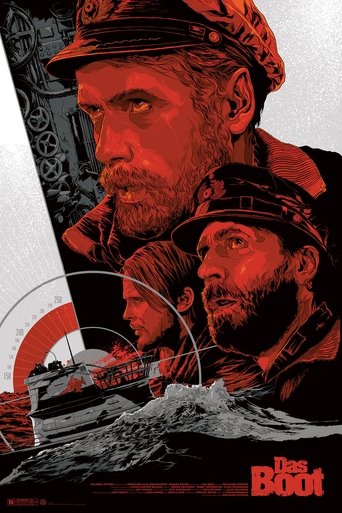
The shelf Submarines and the war at sea gathers thirteen films from 1959 to 2023, the films of men in steel tubes deep under the waves. The best rated, and the only one with an 8, is Das Boot, of 1981, by Wolfgang Petersen, with an 8.1: the crew of a German U-boat on patrol in the Atlantic in 1941, a film that shows the war as endless waiting broken by moments of terror. The most voted is The Hunt for Red October, of 1990, by John McTiernan, with Sean Connery as a Soviet captain who sails his new submarine toward America and Alec Baldwin as the analyst who guesses why.
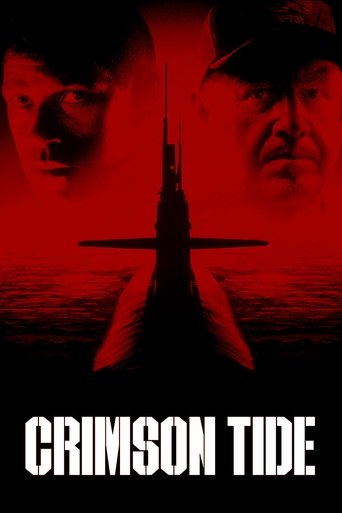
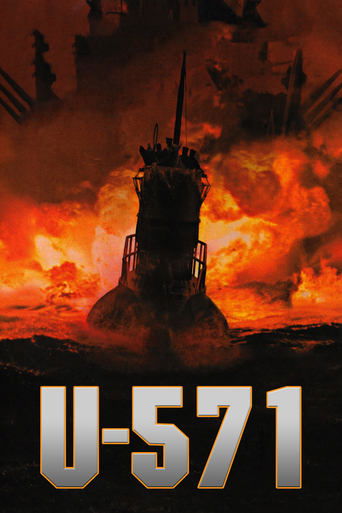
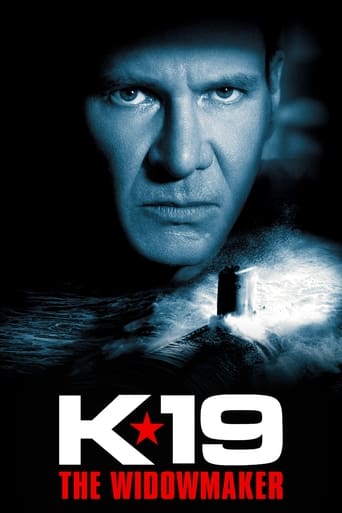
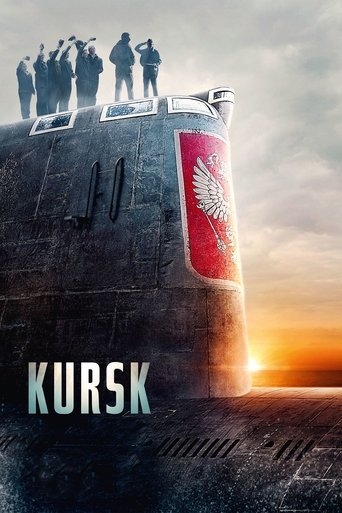
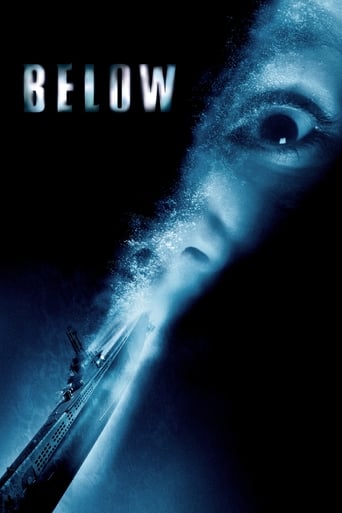
The Cold War is the great theme of the shelf. Crimson Tide, of 1995, by Tony Scott, sets Denzel Washington against Gene Hackman over an order to launch nuclear missiles; K-19: The Widowmaker, of 2002, by Kathryn Bigelow, with Harrison Ford and Liam Neeson, tells the true story of a Soviet submarine with a failing reactor, and Phantom, of 2013, imagines a Soviet crew in 1968. Kursk, of 2018, by Thomas Vinterberg, tells the sinking of the Russian submarine in 2000. The Second World War returns with U-571, of 2000, about the capture of an Enigma machine; Greyhound, of 2020, with Tom Hanks as the captain of a destroyer escorting a convoy across the Atlantic, the second most voted of the shelf; Below, of 2002, a ghost story aboard a submarine, and the Italian The Commander, of 2023, with Pierfrancesco Favino.
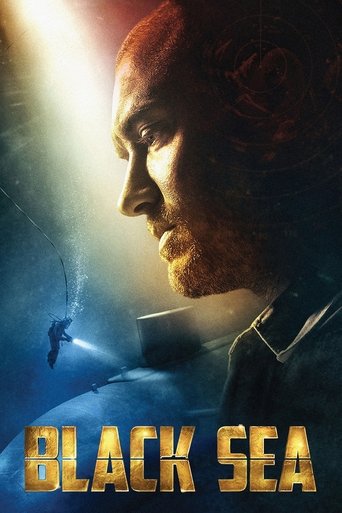
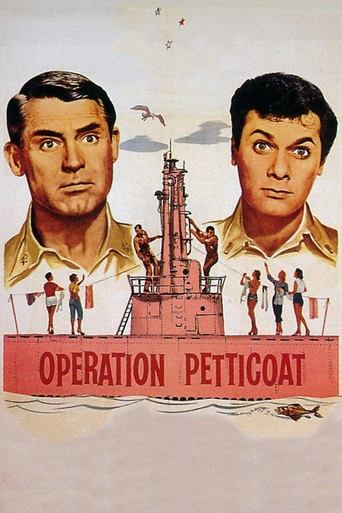
Two comedies lighten the shelf: Operation Petticoat, of 1959, by Blake Edwards, with Cary Grant and Tony Curtis aboard a pink submarine, the oldest film of the shelf, and Down Periscope, of 1996, with Kelsey Grammer. Black Sea, of 2014, with Jude Law, sends a crew of unemployed sailors after the gold of a sunken U-boat.
Sharks
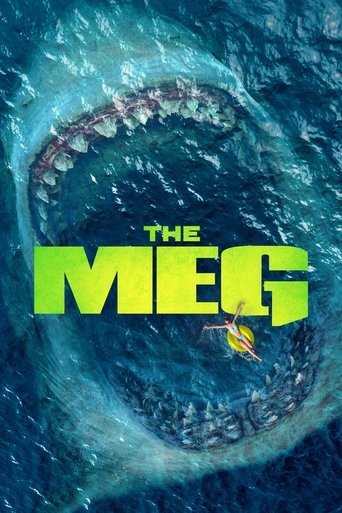
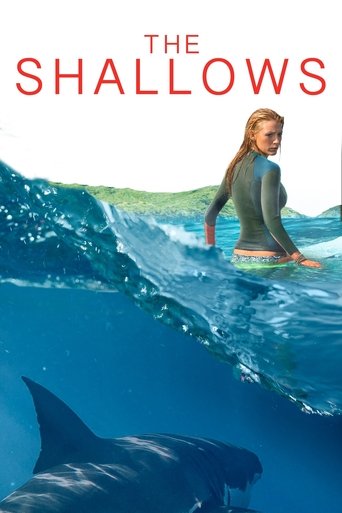
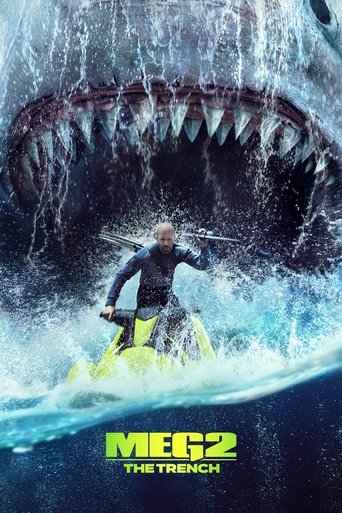
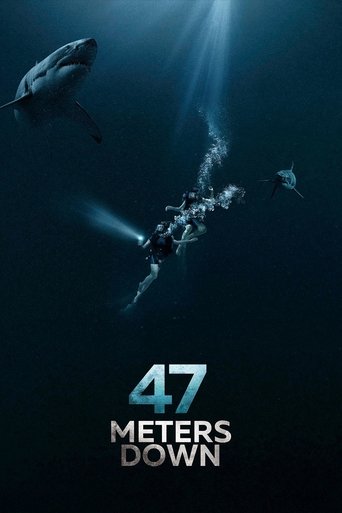
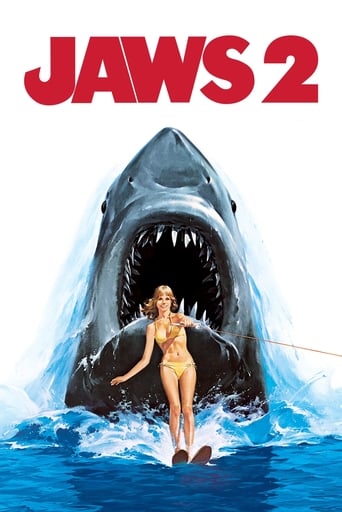
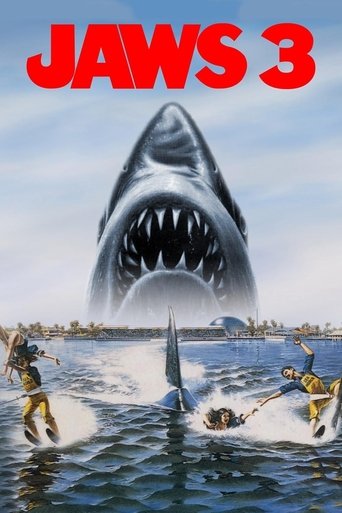
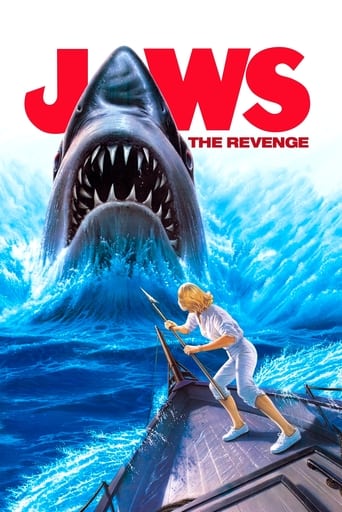
The shelf Sharks gathers thirteen films from 1975 to 2024 and carries about 46,500 votes. Its first film created a genre and a season: Jaws, of 1975, by Steven Spielberg, with Roy Scheider, Robert Shaw and Richard Dreyfuss, the story of a great white shark that terrorises a summer resort, the first summer blockbuster and the best rated film of the shelf, with a 7.7 and about 11,900 votes. Three sequels followed: Jaws 2, of 1978, Jaws 3-D, of 1983, and Jaws: The Revenge, of 1987.
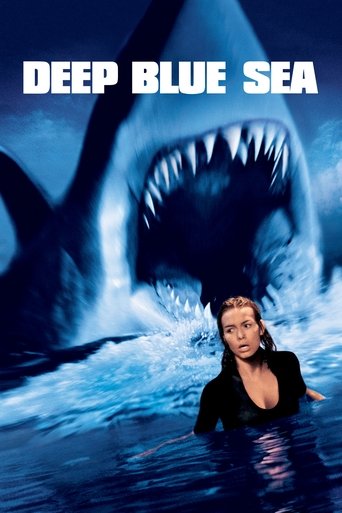
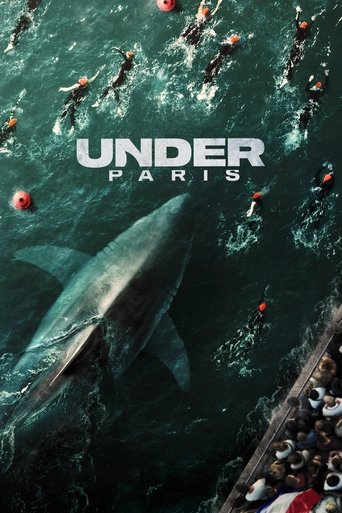
The shark films of the twenty-first century play with scale. The Meg, of 2018, and Meg 2: The Trench, of 2023, set Jason Statham against a prehistoric megalodon; Deep Blue Sea, of 1999, by Renny Harlin, makes the sharks smarter through genetic research, and Sharknado, of 2013, sends them flying through Los Angeles in a tornado, a cult comedy with the lowest rating of the guide, a 3.9. The survival films are smaller and tighter: The Shallows, of 2016, with Blake Lively stranded on a rock two hundred metres from the shore; Open Water, of 2004, two divers left behind by their boat; 47 Meters Down, of 2017, and its sequel of 2019, sisters trapped in a shark cage and in a sunken city, and the French Under Paris, of 2024, a shark in the Seine.
Creatures and legends
The second family, Creatures and legends, follows the life of the sea, real and imagined: the great whales and the friendly dolphins, the mermaids of folklore, and the fish, turtles and sea spirits of animation. It is the second most voted family of the guide, with about 124,000 votes, thanks to its animated films, and the guide Creatures and legends sums it up.
Whales and dolphins
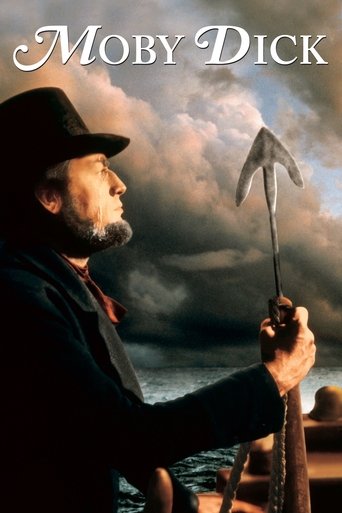
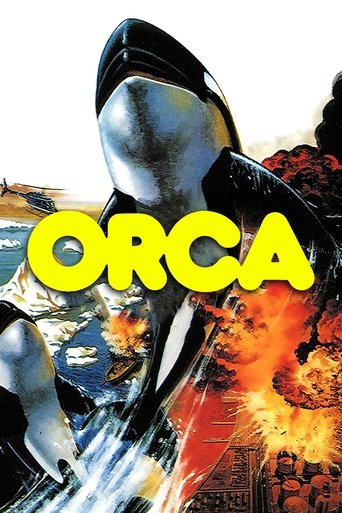
The shelf Whales and dolphins gathers thirteen films from 1956 to 2015. The great literary whale is here twice: Moby Dick, of 1956, by John Huston, with Gregory Peck as Captain Ahab, and In the Heart of the Sea, of 2015, by Ron Howard, the most voted film of the shelf, with Chris Hemsworth, the true story of the whaleship Essex, sunk by a sperm whale in 1820, which inspired the novel of Herman Melville. Orca, of 1977, with Richard Harris, turns the whale into an avenger in the wake of Jaws.
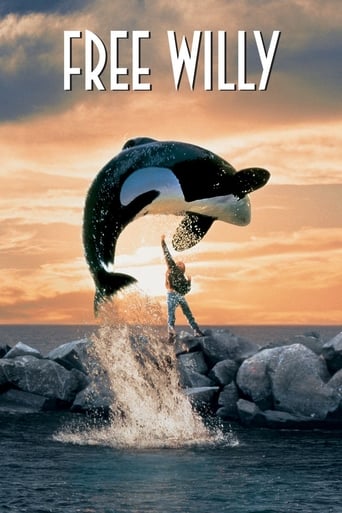
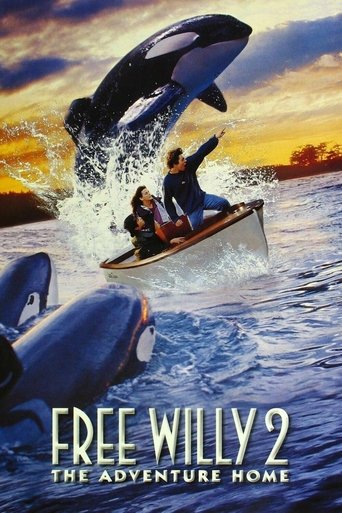
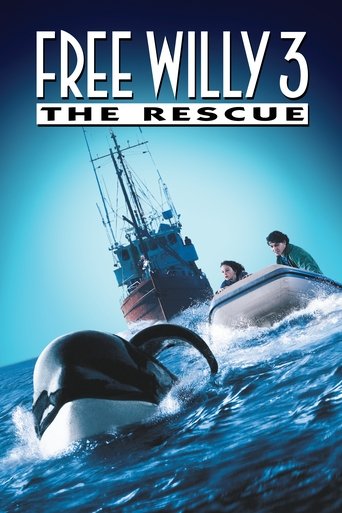
The family films of the shelf are about friendship across species. Free Willy, of 1993, follows a boy who frees a captive orca, played by Keiko, an orca who was himself later returned to the sea; two sequels follow, Free Willy 2: The Adventure Home, of 1995, and Free Willy 3: The Rescue, of 1997. Dolphin Tale, of 2011, and Dolphin Tale 2, of 2014, tell the true story of Winter, a dolphin who learned to swim with a prosthetic tail, and Flipper, of 1996, with Elijah Wood, revives the dolphin of the 1960s series. Big Miracle, of 2012, with Drew Barrymore, tells the rescue of three grey whales trapped under the ice of Alaska in 1988.
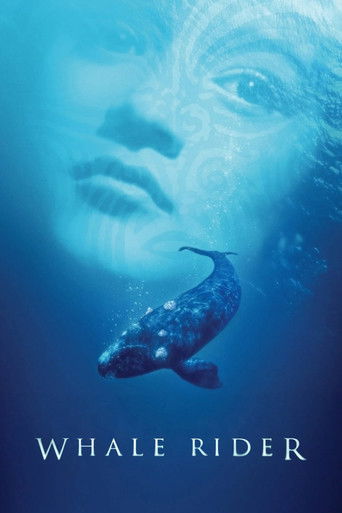
The best rated film of the shelf is The Big Blue, of 1988, by Luc Besson, with a 7.4 and 168 minutes, the story of two rival free divers who feel more at home with the dolphins than on land. Star Trek IV: The Voyage Home, of 1986, sends the crew of the Enterprise back to 1986 to bring two humpback whales to the future, and Whale Rider, of 2003, by Niki Caro, follows a Māori girl who claims her place as the heir of a line of whale riders, with Keisha Castle-Hughes.
Mermaids and sea legends
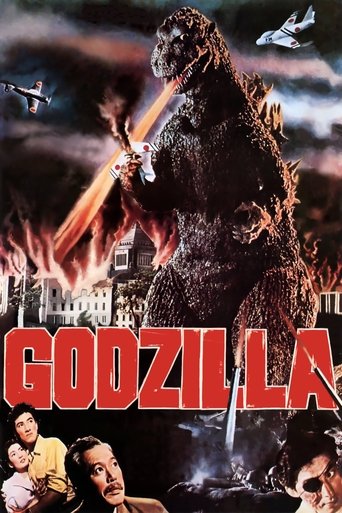
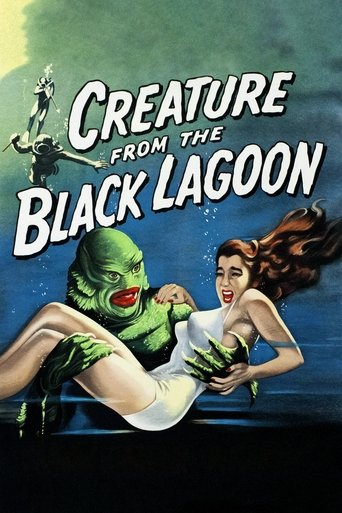
The shelf Mermaids and sea legends gathers thirteen films from 1954 to 2023 about the creatures of myth. The best rated is Godzilla, of 1954, by Ishirō Honda, with a 7.6, the original monster who rises from the sea after nuclear tests, a film about the fear of the atomic age. Creature from the Black Lagoon, of 1954, the same year, gave Hollywood its amphibious monster of the Amazon. The most voted film of the shelf is the live-action version of The Little Mermaid, of 2023, by Rob Marshall, with Halle Bailey as Ariel.
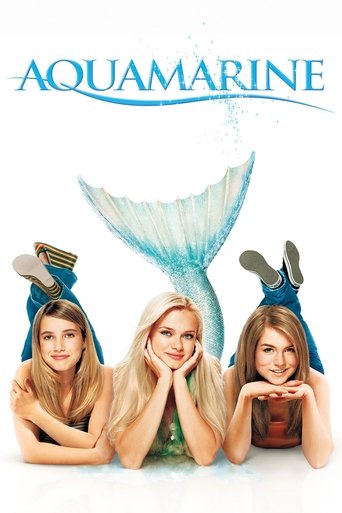
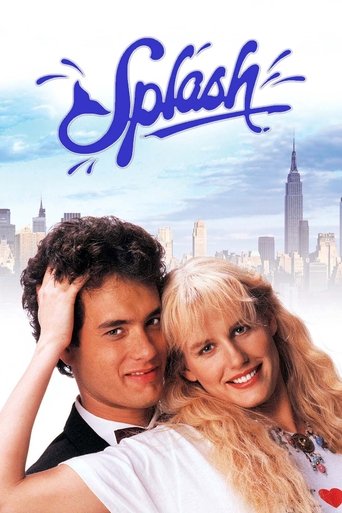
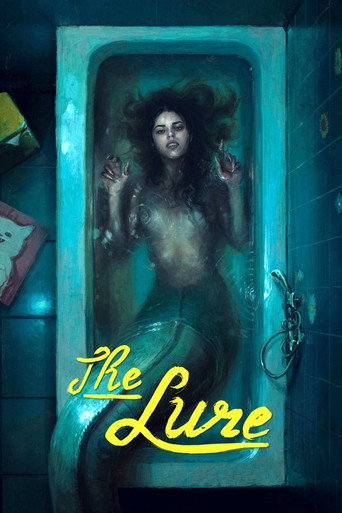
The mermaid takes many forms here. Splash, of 1984, by Ron Howard, with Tom Hanks and Daryl Hannah, is a romantic comedy in New York; Aquamarine, of 2006, a teenage comedy; The Mermaid, of 2016, by Stephen Chow, a Chinese fantasy comedy with an ecological message; Ondine, of 2010, by Neil Jordan, with Colin Farrell, an Irish fisherman's tale, and The King's Daughter, of 2022, with Pierce Brosnan as Louis XIV. The darker legends come from Europe: the Polish musical horror film The Lure, of 2015, about two mermaid sisters singing in a Warsaw nightclub; the Russian The Mermaid: Lake of the Dead, of 2018; the Swiss Blue My Mind, of 2017, about a teenage girl changing into a sea creature; the French A Mermaid in Paris, of 2020, and Mermaid Down, of 2019.
Animated oceans
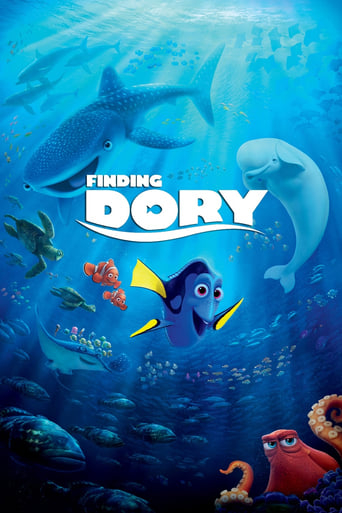
The shelf Animated oceans gathers thirteen films from 1989 to 2024 and is the most voted shelf of the guide, with about 97,500 votes. Its best rated film is Flow, of 2024, by Gints Zilbalodis, with an 8.1: a black cat survives a great flood aboard a drifting boat with a capybara, a dog, a lemur and a bird, a Latvian film told entirely in images and sounds that won the Academy Award for best animated feature. The most voted is Finding Nemo, of 2003, by Andrew Stanton, with a 7.8, in which a clownfish crosses the ocean to find his son; its sequel Finding Dory, of 2016, follows the forgetful blue tang.
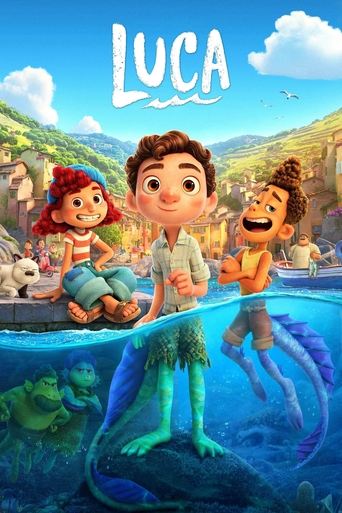
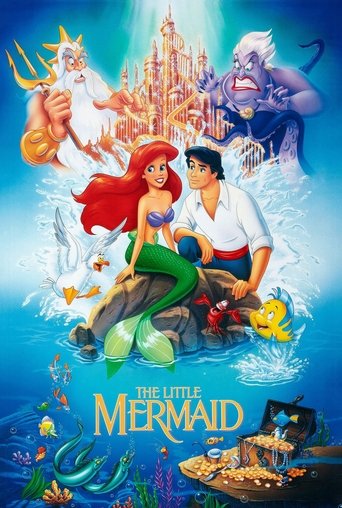
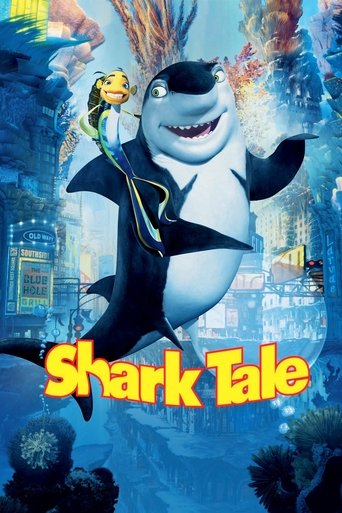
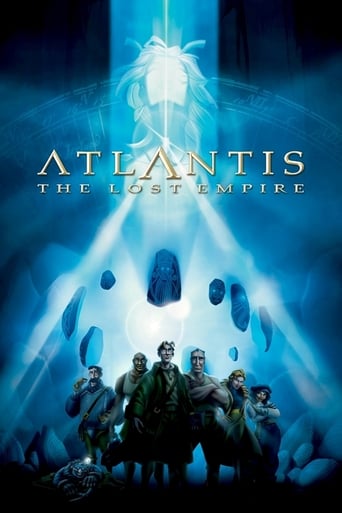
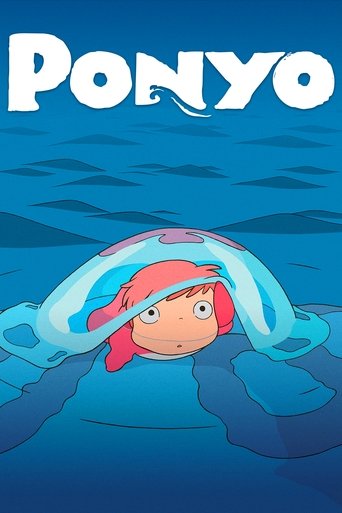
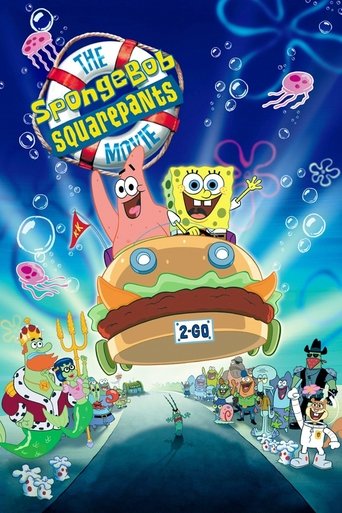
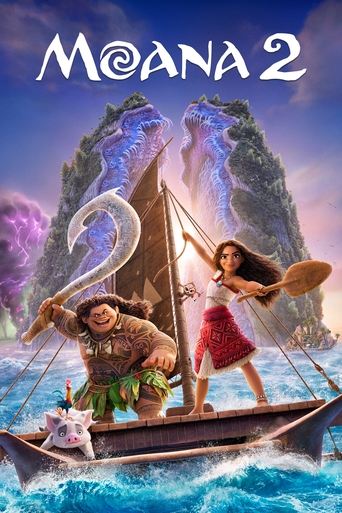
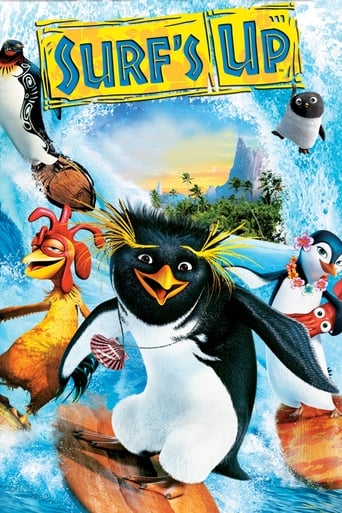
Disney's oceans are here from the beginning of its revival: The Little Mermaid, of 1989, by John Musker and Ron Clements, opened the studio's new golden age, and the same directors made Moana, of 2016, with a 7.6, about a girl of the Pacific islands who sails beyond the reef with the demigod Maui; Moana 2 followed in 2024. Atlantis: The Lost Empire, of 2001, searches for the sunken city. Hayao Miyazaki's Ponyo, of 2008, with a 7.8, tells the friendship of a boy and a goldfish princess who wants to become human, and Pixar's Luca, of 2021, also with a 7.8, follows two young sea monsters on the Italian Riviera. Completing the shelf are Shark Tale, of 2004; The SpongeBob SquarePants Movie, of 2004; the surfing penguins of Surf's Up, of 2007, and The Sea Beast, of 2022, about a girl who stows away aboard a monster-hunting ship.
On the waves
The third family, On the waves, stays on the surface, with the people who live from the sea, fight on it or simply love it: pirates, sailors, castaways and surfers. It is the most voted family of the guide, with about 142,000 votes, and the guide On the waves sums it up.
Pirates
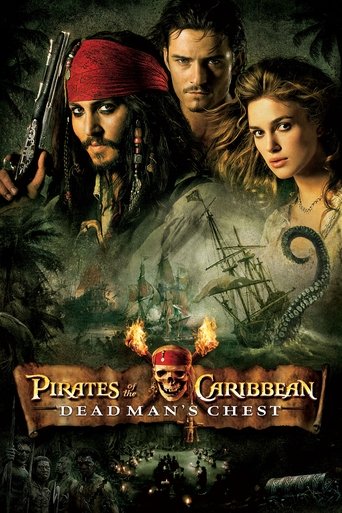
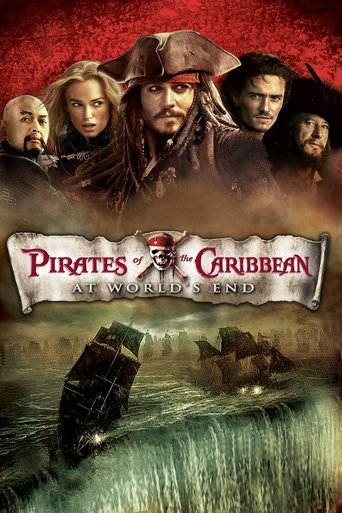
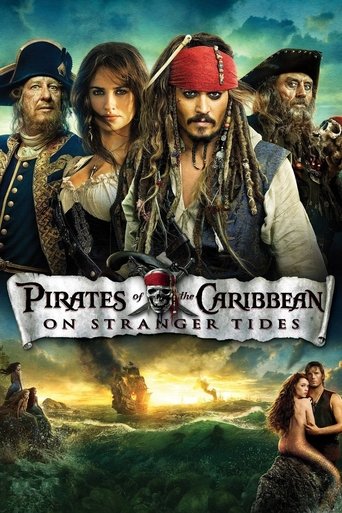
The shelf Pirates gathers thirteen films from 1935 to 2013 and carries about 94,400 votes. Four of them belong to the Pirates of the Caribbean saga: Pirates of the Caribbean: The Curse of the Black Pearl, of 2003, by Gore Verbinski, with Johnny Depp as Captain Jack Sparrow, the most voted and the best rated film of the shelf, with a 7.8 and about 22,900 votes; Dead Man's Chest, of 2006, and At World's End, of 2007, by the same director, and Pirates of the Caribbean: On Stranger Tides, of 2011, by Rob Marshall.
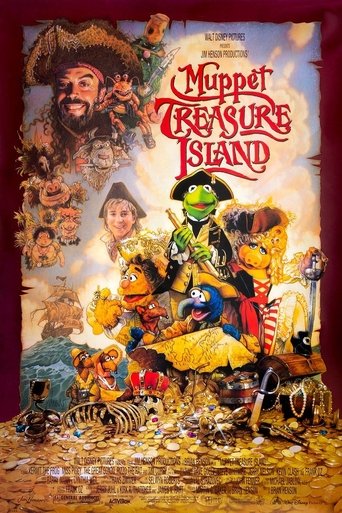
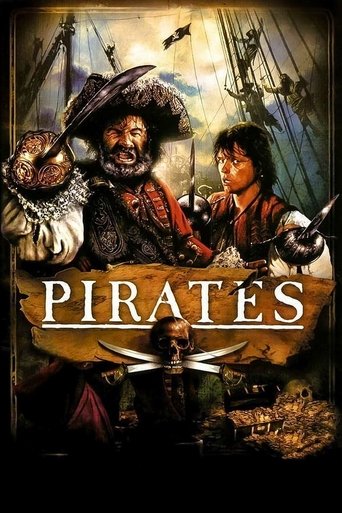
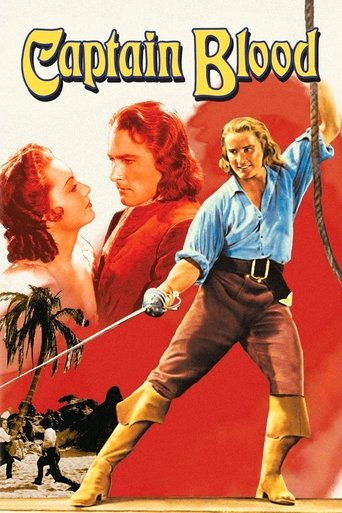
The swashbuckler goes back much further. Captain Blood, of 1935, by Michael Curtiz, made Errol Flynn a star as an Irish doctor who becomes a pirate in the Caribbean, and Treasure Island, of 1950, Disney's first fully live-action film, gave Robert Newton the definitive Long John Silver and the pirate accent that every later film copied. Roman Polanski's Pirates, of 1986, with Walter Matthau, and Renny Harlin's Cutthroat Island, of 1995, with Geena Davis, are two big-budget pirate films of their decades, and Muppet Treasure Island, of 1996, gives the story to Kermit, with Tim Curry as Long John Silver.
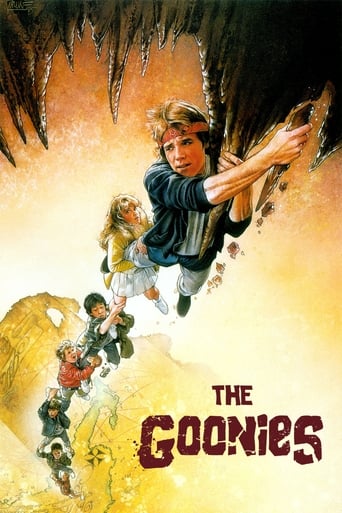
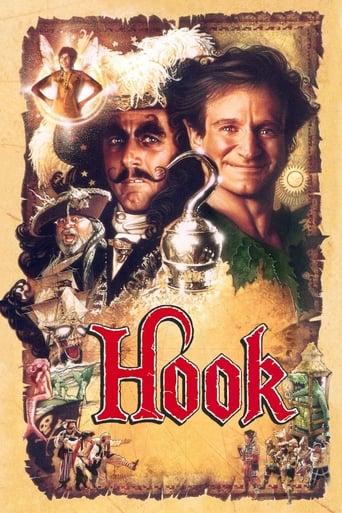
Childhood keeps the pirate alive: Hook, of 1991, by Steven Spielberg, with Robin Williams as a grown-up Peter Pan and Dustin Hoffman as Captain Hook, and The Goonies, of 1985, by Richard Donner, a gang of children searching for the treasure of the pirate One-Eyed Willy. The modern pirates of the shelf are real: Captain Phillips, of 2013, by Paul Greengrass, with Tom Hanks and Barkhad Abdi, tells the hijacking of the cargo ship Maersk Alabama by Somali pirates in 2009, and the Danish A Hijacking, of 2012, by Tobias Lindholm, tells a similar story from the negotiating room.
Castaways and sailors
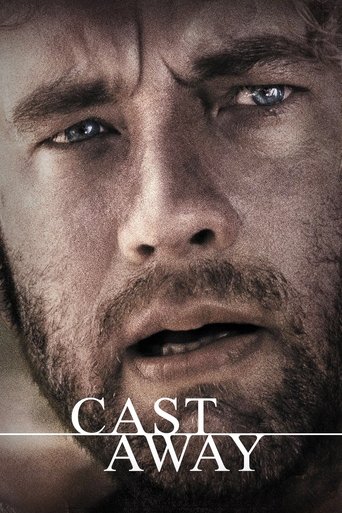
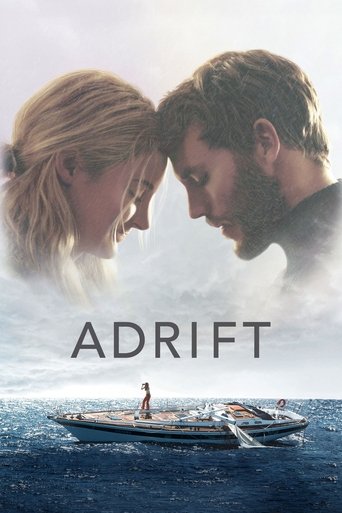
The shelf Castaways and sailors gathers twelve films from 1935 to 2018 about people alone with the sea. The most voted is Life of Pi, of 2012, by Ang Lee, with Suraj Sharma as a boy who survives a shipwreck on a lifeboat with a Bengal tiger, and the best rated is Cast Away, of 2000, by Robert Zemeckis, with a 7.7: Tom Hanks plays a FedEx engineer stranded on a desert island for four years, with a volleyball named Wilson as his only companion. All Is Lost, of 2013, by J.C. Chandor, keeps Robert Redford alone on a sinking yacht in the Indian Ocean for the whole film, with barely a word spoken, and Adrift, of 2018, tells the true story of a woman who sailed for 41 days after a hurricane.
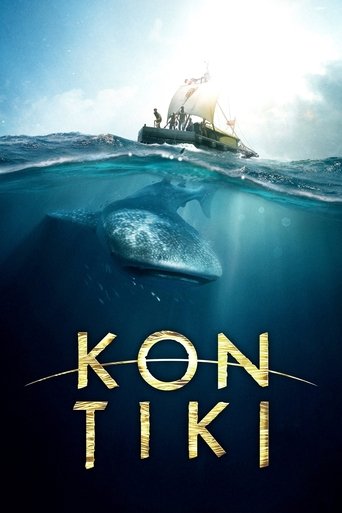
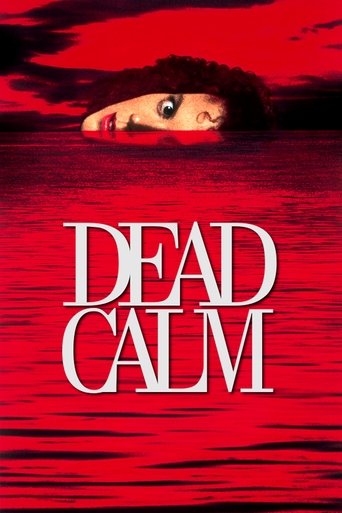
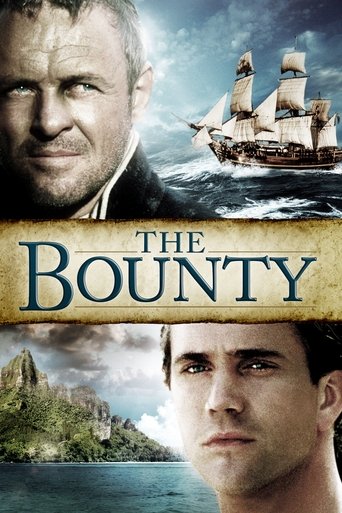
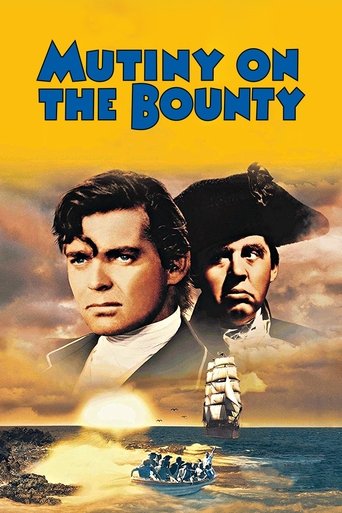
The mutiny on HMS Bounty appears twice, in Mutiny on the Bounty, of 1935, by Frank Lloyd, with Charles Laughton and Clark Gable, the Academy Award winner for best picture, and in The Bounty, of 1984, with Mel Gibson and Anthony Hopkins. Kon-Tiki, of 2012, recreates the raft voyage of Thor Heyerdahl across the Pacific in 1947; White Squall, of 1996, by Ridley Scott, follows a sailing school caught in a storm, and Dead Calm, of 1989, with Nicole Kidman and Sam Neill, turns a quiet sailing holiday into a thriller. The classic castaways close the shelf: Swiss Family Robinson, of 1960, Robinson Crusoe, of 1997, with Pierce Brosnan, and Swept Away, of 2002, by Guy Ritchie, with Madonna.
Surfing
The shelf Surfing gathers thirteen films from 1978 to 2025 about the riders of the waves. The most voted is the first Point Break, of 1991, by Kathryn Bigelow, with Keanu Reeves as an FBI agent who goes undercover among surfers who rob banks, led by Patrick Swayze; its remake of 2015 is here too. The best rated is Shelter, of 2007, with a 7.7, a love story between two young men in a California beach town, followed by A Scene at the Sea, of 1991, by Takeshi Kitano, with a 7.5, about a young deaf garbage collector who teaches himself to surf.
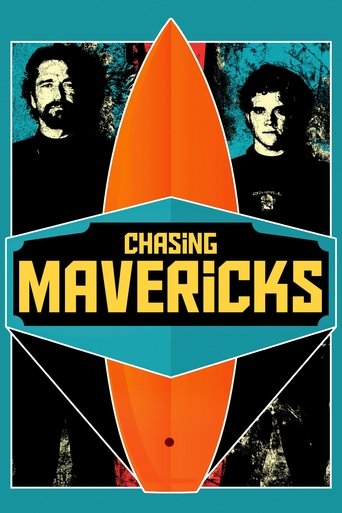
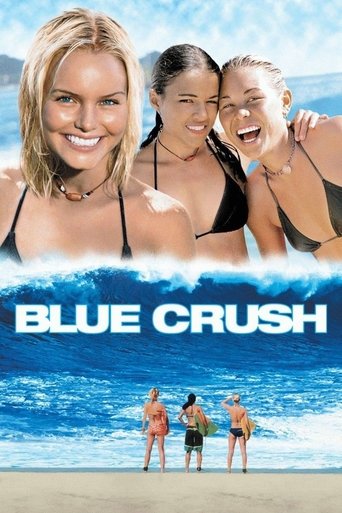
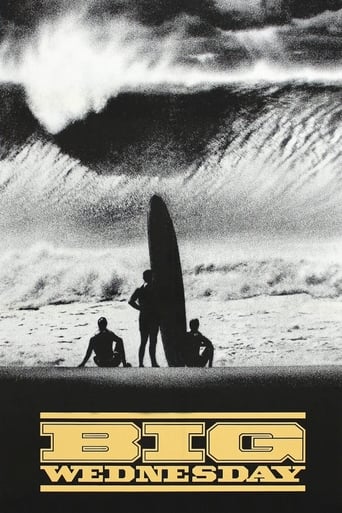
The true stories of the shelf are two: Soul Surfer, of 2011, the story of Bethany Hamilton, who returned to competitive surfing after losing an arm to a shark, and Chasing Mavericks, of 2012, the story of Jay Moriarity, who learned to ride the giant waves of Mavericks in California, with Gerard Butler as his mentor. Big Wednesday, of 1978, by John Milius, the oldest film of the shelf, follows three friends from the 1960s to the 1970s, and Blue Crush, of 2002, follows a young surfer preparing for the Pipeline Masters in Hawaii. Completing the shelf are The Surfer, of 2025, with Nicolas Cage, the newest film of the guide; the Disney television films Teen Beach Movie, of 2013, and Johnny Tsunami, of 1999; the Australian Drift, of 2013, and Ride, of 2014, directed by and starring Helen Hunt.
Storm and shore
The last family, Storm and shore, stays at the edge of the water, where the sea meets the land: beaches and islands, shipwrecks and storms, lighthouses and harbours. Its three shelves hold 36 films and about 104,000 votes, and the guide Storm and shore sums them up.
Beaches and islands
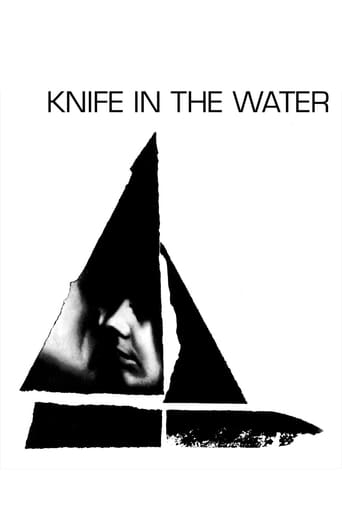
The shelf Beaches and islands gathers twelve films from 1962 to 2024 about the shore as paradise and as trap. The most voted is Baywatch, of 2017, with Dwayne Johnson and Zac Efron as lifeguards, a comedy remake of the television series. The best rated is the French Summer of 85, of 2020, by François Ozon, with a 7.4, the summer romance of two young men on the coast of Normandy, followed by Knife in the Water, of 1962, Roman Polanski's first feature, with a 7.3, the oldest film of the shelf, in which a couple invites a young hitchhiker on a sailing trip across a Polish lake.
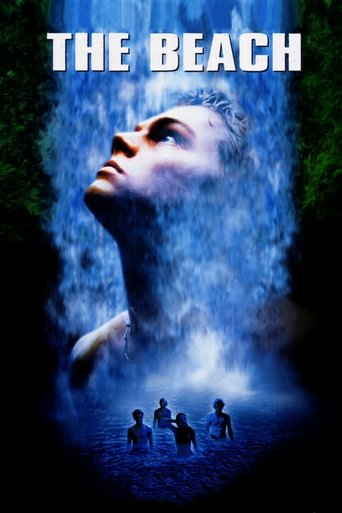
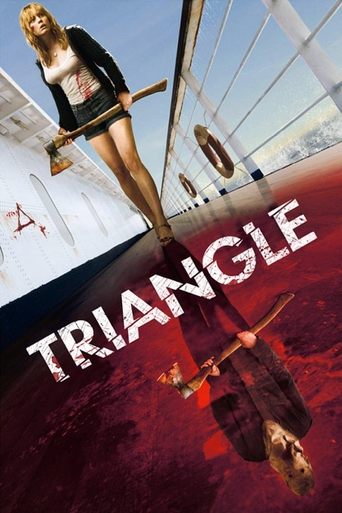
The island as trap is the theme of several thrillers. The Beach, of 2000, by Danny Boyle, sends Leonardo DiCaprio to a secret beach in Thailand where a hidden community lives; Old, of 2021, by M. Night Shyamalan, traps a family on a beach where time passes so fast that a lifetime goes by in a day; Triangle, of 2009, with Melissa George, traps the passengers of a yacht in a time loop aboard an abandoned ocean liner, and Serenity, of 2019, with Matthew McConaughey and Anne Hathaway, is a mystery on a fishing island. Something in the Water, of 2024, strands five friends in shark waters off a tropical island.
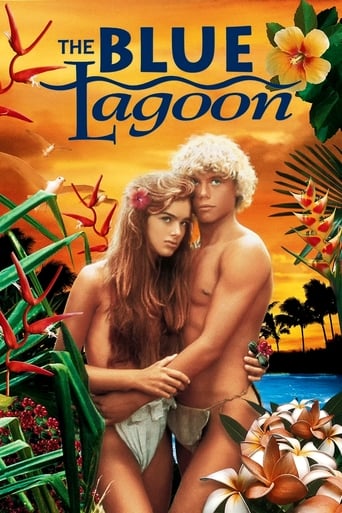
The island as paradise belongs to The Blue Lagoon, of 1980, with Brooke Shields, two children shipwrecked on a tropical island who grow up alone; to Nim's Island, of 2008, a family adventure with Abigail Breslin and Jodie Foster, and to the treasure hunts of Into the Blue, of 2005, with Paul Walker and Jessica Alba, and Fool's Gold, of 2008, with Matthew McConaughey and Kate Hudson in the Caribbean.
Shipwrecks and storms
The shelf Shipwrecks and storms gathers twelve films from 1944 to 2016 about the sea at its most violent. The most voted film of the whole guide is here: Titanic, of 1997, by James Cameron, with Leonardo DiCaprio and Kate Winslet, with about 27,900 votes and a 7.9, the love story aboard the liner that sank in the North Atlantic on 15 April 1912, at 194 minutes the longest film of the guide and winner of eleven Academy Awards. Cameron also made The Abyss, on the shelf The deep.
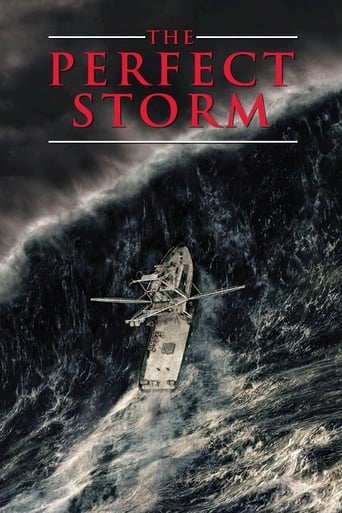
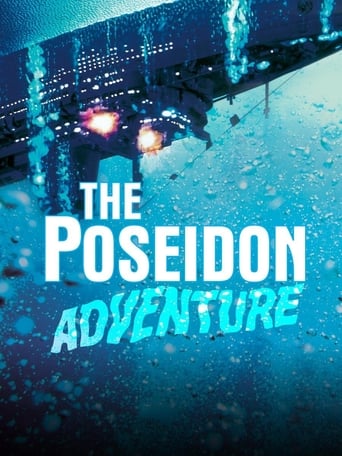
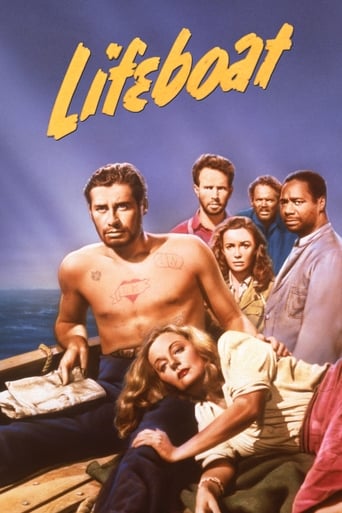
The capsized liner is the great image of the disaster film. The Poseidon Adventure, of 1972, with Gene Hackman, follows survivors climbing up through an upside-down ship, and Wolfgang Petersen remade it as Poseidon in 2006; Petersen also made The Perfect Storm, of 2000, with George Clooney and Mark Wahlberg, the true story of a fishing boat lost in the storm of 1991, so that, with Das Boot, he has three films in the guide. Lifeboat, of 1944, by Alfred Hitchcock, the oldest film of the shelf, takes place entirely in a lifeboat after a ship is torpedoed.
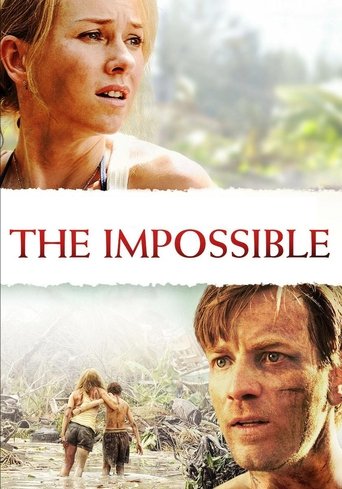
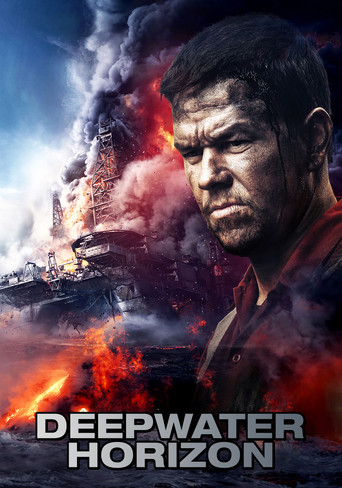
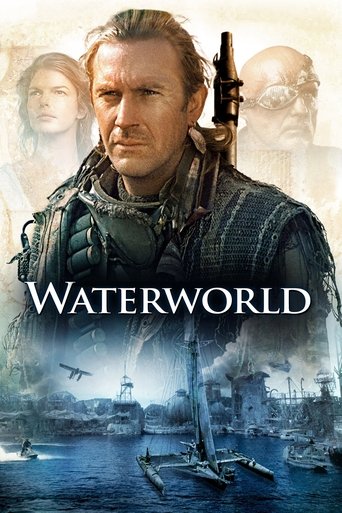
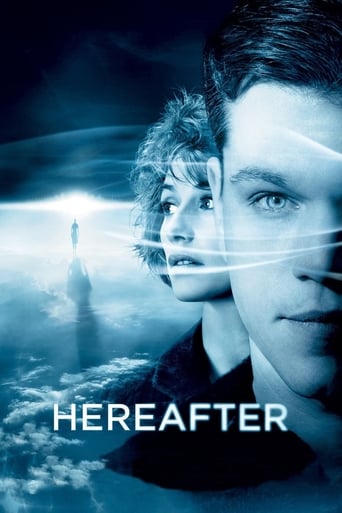
The great waves complete the shelf. The Impossible, of 2012, by J. A. Bayona, with Naomi Watts and Ewan McGregor, with a 7.4, level with Lifeboat and second only to Titanic on the shelf, tells the true story of a family caught in the Indian Ocean tsunami of 2004, which also opens Hereafter, of 2010, by Clint Eastwood. The Norwegian The Wave, of 2015, imagines a tsunami in a fjord after a rockslide, and the Korean Tidal Wave, of 2009, a mega-tsunami hitting Busan. Deepwater Horizon, of 2016, with Mark Wahlberg, recreates the oil rig explosion in the Gulf of Mexico in 2010; The Guardian, of 2006, with Kevin Costner and Ashton Kutcher, follows the rescue swimmers of the Coast Guard, and Waterworld, of 1995, imagines a whole planet covered by the sea.
Lighthouses and harbours
The shelf Lighthouses and harbours gathers twelve films from 1937 to 2019 about the people who live by the sea. The most voted is The Lighthouse, of 2019, by Robert Eggers, with Robert Pattinson and Willem Dafoe as two lighthouse keepers slowly going mad on a remote island in the 1890s, filmed in black and white. The Vanishing, of 2019, with Gerard Butler, follows three lighthouse keepers who find a chest of gold, inspired by the real disappearance on the Flannan Isles in 1900, and Cold Skin, of 2017, sets a weather observer and a lighthouse keeper against creatures from the sea. The Light Between Oceans, of 2016, by Derek Cianfrance, with Michael Fassbender and Alicia Vikander, is a love story at a lighthouse off Australia.
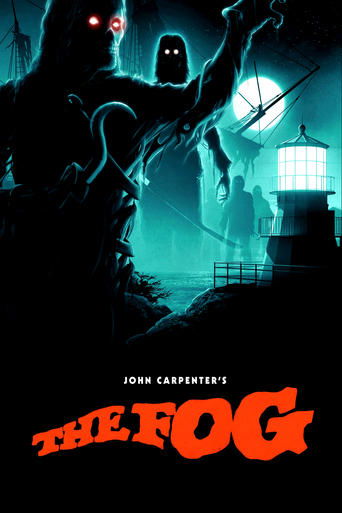
The best rated film of the shelf is La Terra Trema, of 1949, by Luchino Visconti, with a 7.8 and 160 minutes, the story of a family of Sicilian fishermen played by the real fishermen of Aci Trezza. Italy gives the shelf a second classic, Stromboli, of 1950, by Roberto Rossellini, with Ingrid Bergman on the volcanic island. The fishermen of Hollywood are here too: Captains Courageous, of 1937, the oldest film of the shelf, with Spencer Tracy as a Portuguese fisherman who takes a spoiled boy under his wing, and The Old Man and the Sea, of 1958, with Tracy again as Hemingway's old Cuban fisherman. Completing the shelf are the horror films of the harbour towns, The Fog, of 1980, by John Carpenter, and I Know What You Did Last Summer, of 1997; the Cornish singing fishermen of Fisherman's Friends, of 2019, and Snow Falling on Cedars, of 1999, a murder trial in a fishing community of the Pacific Northwest.
The directors of the sea
A few directors return to the water again and again. Wolfgang Petersen has three films in the guide on two shelves: Das Boot under the surface, and The Perfect Storm and Poseidon among the storms. Gore Verbinski directed the first three Pirates of the Caribbean films, and James Cameron two of the great sea films of his career, The Abyss in the deep and Titanic in the storm. Steven Spielberg appears with the shark of Jaws and the pirate of Hook; Ron Howard with the whale of In the Heart of the Sea and the mermaid of Splash, and Kathryn Bigelow with the surfers of Point Break and the submarine of K-19: The Widowmaker.
The animators are here too: Andrew Stanton with the two Finding films, and John Musker with The Little Mermaid of 1989 and Moana. Rob Marshall links two shelves with On Stranger Tides among the pirates and the live-action Little Mermaid among the legends, and Renny Harlin links two more with Cutthroat Island and Deep Blue Sea. The guide The directors lists them all.
The stars at sea
Tom Hanks is the great sailor of the guide, with four films on four shelves: the castaway of Cast Away, the captain of Captain Phillips, the destroyer commander of Greyhound and the man who falls in love with a mermaid in Splash. Johnny Depp appears four times as Captain Jack Sparrow, with Orlando Bloom and Geoffrey Rush in three of the films each. Dwayne Johnson gives his voice to Maui in the two Moana films and runs on the beach in Baywatch; Helen Hunt waits for Tom Hanks in Cast Away, plays the mother of Bethany Hamilton in Soul Surfer and directs herself in Ride, and Gerard Butler and Matthew McConaughey each appear in three films, from Chasing Mavericks to U-571. The guide The stars lists the actors who appear most often.
World seas
Most of the films of the guide are American, 85 of the 152 by first production country, but the collection World seas gathers the 22 films in other languages than English. French is the language of four, The Big Blue, Under Paris, Summer of 85 and A Mermaid in Paris; Italian of three, the Sicilian fishermen of La Terra Trema, Stromboli and The Commander; Japanese of three, Godzilla, Ponyo and A Scene at the Sea; Norwegian of two, Kon-Tiki and The Wave; Polish of two, Knife in the Water and The Lure; German of two, Das Boot and Blue My Mind; and Latvian, Korean, Chinese, Swedish, Russian and Danish of one each, from Flow to A Hijacking. The guide World seas sails through them.
True stories of the sea
Many of the films of the guide tell real events. The survival stories include Kon-Tiki, the raft voyage of 1947; Adrift, 41 days alone after a hurricane; In the Heart of the Sea, the whaleship Essex in 1820; The Impossible, the tsunami of 2004, and The Perfect Storm, the fishing boat Andrea Gail in 1991. The military and industrial disasters include Kursk, the submarine of 2000; K-19, the reactor accident of 1961, and Deepwater Horizon, the oil rig of 2010. The rescues are Captain Phillips, the hijacked cargo ship of 2009, and Big Miracle, the trapped grey whales of 1988, and the sporting lives are Soul Surfer and Chasing Mavericks. Even the mutiny of The Bounty, in 1789, is history. The guide True stories of the sea puts them in order.
The sea through the decades
By decade, the guide holds three films of the 1930s, two of the 1940s, eight of the 1950s, two of the 1960s, six of the 1970s, sixteen of the 1980s, 22 of the 1990s, 29 of the 2000s, 47 of the 2010s and seventeen of the 2020s. The 1930s are the age of the swashbuckler and the mutiny, with Captain Blood and Mutiny on the Bounty; the 1950s give the guide its classics, from 20,000 Leagues Under the Sea and Godzilla to Moby Dick, Stromboli and The Old Man and the Sea; the 1970s belong to the disaster film and the shark, from The Poseidon Adventure to Jaws, and the 1980s to the deep, with the three underwater films of 1989. The collection Before 1980 gathers the 21 oldest films, from 1935 to 1978, in order of release.
Kurage in figures
The 152 films of the guide carry about 468,000 votes on TMDB, with an average rating of 6.62; two of them reach 8, Das Boot and Flow, and the collection Rated 7.5 or more gathers the 17 films rated 7.5 or more, best first. The most voted are Titanic, with about 27,900 votes, the first four Pirates of the Caribbean films and Finding Nemo. Together the films last about 16,700 minutes, more than 278 hours at sea; the longest is Titanic, with 194 minutes, and the shortest are Creature from the Black Lagoon and Open Water, with 79 each. The guide The figures gathers every number.
The jellyfish and the screen
The jellyfish that names this guide drifts through several of its films. In Finding Nemo, Marlin and Dory cross a vast, glowing forest of jellyfish, one of the most beautiful sequences of the film, and in Finding Dory the same creatures return. The deep-sea films, from The Abyss to Underwater, borrow their light from the bioluminescent animals of the abyss, which glow in blue and green in the darkness far below the reach of sunlight. The look of this site borrows the same idea: a dark navy page like deep water, with cyan, pink and violet accents like the glow of a passing jellyfish, and translucent panels that let the depth show through. The guide The look of Kurage explains each colour.
Where to begin
For a first dive into the guide, start with the classics of each current: Jaws for the shark, Das Boot for the submarine, Titanic for the shipwreck and Cast Away for the castaway. Then try the films that show the sea in a new light: The Lighthouse, the black and white nightmare of two keepers; Life of Pi, the long voyage of a boy and a tiger; The Big Blue, the dream of the free divers, and Flow, the wordless flood of a small black cat. Families can sail with Moana, Ponyo and the two Finding films, and anyone who likes a swashbuckler can start with Captain Blood and end with Jack Sparrow.
How to use Kurage
The home page opens with an introduction and the currents, a strip of bubble tiles, one per shelf, grouped by family and marked with its colour: cyan for under the surface, violet for creatures and legends, pink for on the waves and gold for storm and shore. Each tile shows the family, the shelf and its number of films, and leads to its row. Each row sits in a translucent panel with twelve posters and a Dive in button that opens the full shelf. The menu in the header leads to the four families, and the search box finds any film by its title; the guide Search tips explains how.
Each poster shows the year, the TMDB rating and, at the bottom, the sea tag of its shelf, for example Shark or Lighthouse; under the poster come the first genre and the running time. The film page has the English synopsis, the cast, the director and the genres. The Watch now button opens the film on JustWatch, which shows the services that offer it in your country, and the button Add to My List keeps it in My list, stored in your browser. The guide How to use Kurage explains each part, and the guide The Watch now button explains how JustWatch works.
The famous ships of the guide
Many of the films of the guide are really portraits of a vessel, and some ships are as famous as the actors who sail them. The oldest is HMS Bounty, the armed transport whose crew rose against Captain Bligh in 1789, sailed twice here, by Charles Laughton and Clark Gable in Mutiny on the Bounty and by Anthony Hopkins and Mel Gibson in The Bounty. The Pequod of Captain Ahab hunts the white whale in Moby Dick, and the real Essex, the whaleship whose sinking inspired the novel, goes down again in In the Heart of the Sea. The Nautilus of Captain Nemo, with its riveted iron hull and its great round window on the deep, is the star of 20,000 Leagues Under the Sea, with James Mason as Nemo and Kirk Douglas as the harpooner Ned Land.
The submarines have names that every fan of the genre remembers. U-96 is the cramped German boat of Das Boot, where the camera runs the length of the hull through the narrow hatches. Red October is the silent Soviet submarine of Captain Marko Ramius, played by Sean Connery, in The Hunt for Red October; the USS Alabama is the American missile submarine where Denzel Washington and Gene Hackman clash in Crimson Tide, and the Sea Tiger of Operation Petticoat, with Cary Grant and Tony Curtis, is the submarine painted pink because the crew ran short of grey paint. The USS Stingray, the rusty diesel boat of Down Periscope, is its comic heir, and the destroyer Keeling, call sign Greyhound, guards a convoy across the Atlantic with Tom Hanks on the bridge in Greyhound.
On the surface, the Black Pearl, with its black sails, carries Captain Jack Sparrow through four films, and the Orca, the small fishing boat of Quint in Jaws, is the boat that, in the famous line, is too small for the shark. The Belafonte of The Life Aquatic with Steve Zissou, the research ship of Bill Murray's oceanographer, is shown in cross section, cabin by cabin, like a doll's house. The Kon-Tiki is a raft of balsa logs; the Andrea Gail is the swordfish boat of The Perfect Storm; the Maersk Alabama is the cargo ship of Captain Phillips, and the greatest of them all, the RMS Titanic, sails and sinks in Titanic, built again at almost full size for the film.
The children's films have their ships too. The Hispaniola carries Jim Hawkins and Long John Silver to the treasure in Treasure Island and again, with a crew of Muppets, in Muppet Treasure Island; the Jolly Roger of Captain Hook rides at anchor in Neverland in Hook, and the Ulysses, a great submarine shaped like a fish, takes the explorers of Atlantis: The Lost Empire down to the sunken city. Moana sails a double-hulled voyaging canoe, the kind with which the Polynesian navigators settled the Pacific, steering by the stars and the swell; the monster hunters of The Sea Beast sail the Inevitable under Captain Crow, and the black cat of Flow drifts on a small abandoned sailboat that becomes the home of five animals.
A sea calendar
The films of the guide also suit the seasons. Summer belongs to the beach and the shark: Jaws is set over a Fourth of July weekend on Amity Island, and a summer evening is the natural time for The Shallows, Something in the Water or the lifeguards of Baywatch; the surfers of Blue Crush and Big Wednesday and the coast of Normandy in Summer of 85 complete the season. Autumn is the season of the storm and the lighthouse, of The Perfect Storm, set in October 1991, of The Lighthouse, The Vanishing and the harbour ghosts of The Fog.
Winter suits the long voyages and the cold seas: the frozen Alaska of Big Miracle, the Arctic patrol of Kursk and K-19, the North Atlantic of Greyhound and the long night of Titanic, which sinks on a cold April night beneath the stars. Spring is the season of the animated oceans and the family films, from Ponyo and Luca to Moana, Free Willy and Dolphin Tale, and of the great adventures, from Life of Pi to Kon-Tiki. For a long weekend, the four Pirates of the Caribbean films make a marathon of about ten hours, the two Finding films one of a little over three hours, and the four Jaws films one of about seven.
A rainy day at home is the best time for the deep: The Abyss, Sphere, Underwater and Leviathan all take place far below the waves, in stations and wrecks where the only light is the one the crew carries. And a quiet evening alone is the time for the most contemplative films of the guide, the black and white fishermen of La Terra Trema, the lone sailor of All Is Lost and the silent voyage of Flow, where the sea itself speaks.
Questions
What is Kurage
An English guide to 152 films of the sea, in twelve shelves and four families.
What does Kurage mean
It is the Japanese word for jellyfish.
How were the films chosen
From TMDB films tagged with sea keywords such as ocean, submarine, shark, surfing, shipwreck, mermaid, whale, pirate and lighthouse, checked by hand.
Which film has the most votes
Titanic, with about 27,900 votes.
Which films are the best rated
Das Boot and Flow, with an 8.1 each.
Which is the oldest film
Captain Blood and Mutiny on the Bounty, both of 1935.
Which is the longest film
Titanic, with 194 minutes.
Which actor appears most often
Tom Hanks and Johnny Depp, with four films each.
Where can I watch the films
The Watch now button opens each film on JustWatch, which shows the services that offer it in your country.
Where is My list kept
In your browser, on the device where you create it.
